22.8 C
Thrissur
Sunday, December 7, 2025
Home Blog Page 8

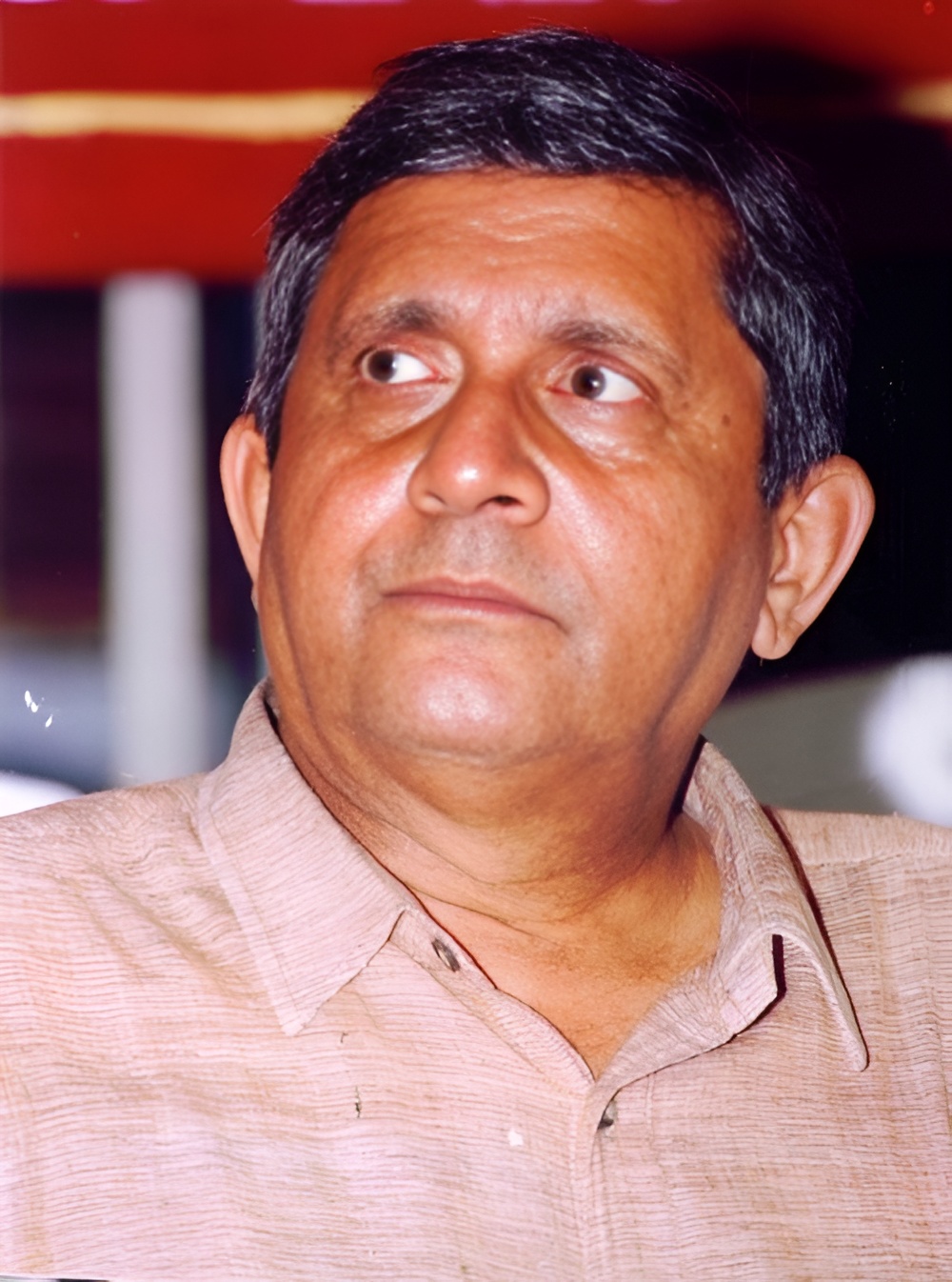
Kalamandalam Vasu Pisharody

0


(12 January 1943 – 30 November 2022)

Kalamandalam Vasu Pisharody was a renowned Kathakali artist, celebrated for his expertise in portraying a wide range of characters with remarkable depth and precision. His mastery shone particularly in the ‘Pacha’ roles such as Nalan and Bahukan in Nalacharitham, and in ‘Kathi’ roles like Ravanan in Udbhavam and Bali Vijayam, Keechakan in Keechaka Vadham, and Narakasuran in Narakasura Vadham. He also excelled in ‘Minukku’ roles such as Brahmanan in Santhanagopalam and *Parasuraman.

Early Life and Education

Vasu Pisharody was born on 12 January 1943 in Palakkad District, Kerala, to T.P. Rakhava Pisharody and M.P. Lakshmikutti Pisharasyar. He completed his formal education up to the 7th standard, after which he pursued his passion for Kathakali.

His initial training began at Kerala Kalalayam, Ottapalam, under Kalamandalam Balakrishnan Nair for one year. He then continued his studies at P.S.V. Natyasangham for three years, followed by six years of advanced training at Kerala Kalamandalam under the legendary Padmasree Vazhenkada Kunchu Nair. He also received guidance from celebrated gurus like Ramankutty Nair and Padmanabhan Nair.

With a scholarship from the Central Government, he continued his studies for two more years, completing his formal Kathakali education in 1969.

Career

After completing his training, Vasu Pisharody served as a teacher on a temporary basis at Kerala Kalamandalam until 1979. During this time, he also taught in Kalari schools managed by the Guruvayoor Kathakali Club.

In 1979, he was appointed as a permanent faculty member and later Head of the Department of Kathakali Vesham at Kerala Kalamandalam, a position he held until his retirement in March 1999.

Awards and Recognitions

Kalamandalam Vasu Pisharody received numerous accolades for his contributions to Kathakali, including:

  • Central Sangeet Natak Akademi Award
  • Kerala Kalamandalam Award (1998)
  • Kerala Sangeet Natak Akademi Award
  • Kerala Kalamandalam Fellowship
  • Fellowship from the Ministry of Human Resource Development (Central Government)
  • Shri Pattikkamthodi Puraskar – Kerala Kalamandalam & Gandhi Seva Sadan
  • Olappamanna Devi Puraskar
  • Kalamandalam Krishnan Kutty Podhuval Puraskar
  • Kalamandalam Krishnan Nair Kalyanikutty Amma Puraskar
  • Veerashrinkhala from Kongad
  • Awards from various Kathakali clubs and organizations including “Sarggam” Kongad

Literary Contributions

He authored a notable book on Kathakali titled “Ranga Naishadham”, contributing to the academic and artistic understanding of the art form.

Personal Life

Vasu Pisharody was married to P. Subhadra and had two children: Sreekala and Unnikrishnan.

Demise

Kalamandalam Vasu Pisharody passed away on 30 November 2022, leaving behind a legacy of dedication, excellence, and inspiration in the world of Kathakali.
Mundur Krishnankutty

0

(17 July 1935 – 4 June 2005)

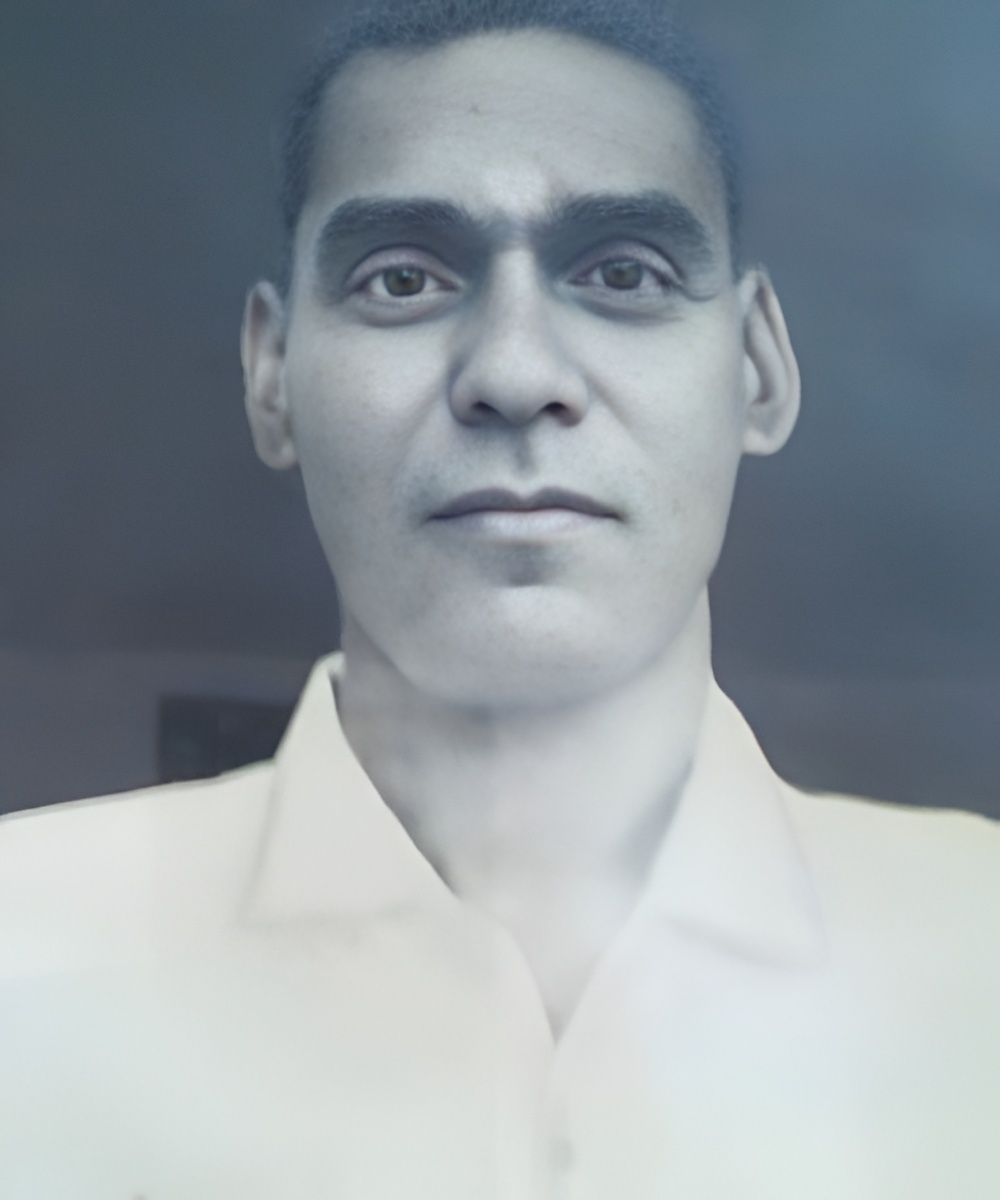
Mundur Krishnankutty was a renowned Malayalam short story writer celebrated for his vivid and realistic portrayals of rural life, particularly in Palakkad. His stories often explore the socio-economic transformations of agrarian society.

He began writing during his college days, with his first published short story “Ambalavasi” appearing in Mathrubhumi Weekly. Over the years, his works featured in all major Malayalam literary magazines.

A recipient of several prestigious literary honors:

  • Cherukad Award (1996)Nilapisukkulla Rathriyil
  • Kerala Sahitya Akademi Award (1997)Aswasathinte Manthracharadu
  • Odakkuzhal AwardEnne Veruthe Vittalum

Apart from being a prolific writer of short stories and one novel, he also served for a long time as a tutor and principal at a Teachers’ Training Institute. Later in life, he ventured into acting and earned appreciation for his performances in Malayalam TV serials.


Personal Life

  • Born: 17 July 1935
  • Parents: Mundur Anupurath Pisharath Madhavi Pisharasiar & Manakkulangara Pisharath Govinda Pisharody
  • Education: M.A. in English Literature; B.Ed.
  • Spouse: Karalam Kainila Pisharath Late Radha Pisharasiar
  • Son: Dileepan Anupurath
  • Died: 4 June 2005

Major Published Works

Short Story Collections

  • ഏകാകി
  • മനസ്സ് എന്ന ഭാരം
  • മൂന്നാമതൊരാള്‍
  • എന്നെ വെറുതെ വിട്ടാലും
  • കഥാപുരുഷന്‍
  • അവശേഷിപ്പിന്റെ പക്ഷി
  • അമ്മയ്ക്കു വേണ്ടി
  • എത്രത്തോളമെന്നറിയാതെ
  • തന്നിഷ്ടത്തിന്റെ വഴിത്തപ്പുകള്‍

Novel

  • മാതുവിന്റെ കൃഷ്ണത്തണുപ്പ്

Memoir / Notes

  • ഒരു അധ്യാപകന്റെ ആത്മഗതങ്ങള്‍ (കുറിപ്പുകള്‍)

Panditharaja Shastra Ratnam Prof. D. Damodara Pisharody

0

Prof. D. Damodara Pisharody, a luminary in the field of Sanskrit grammar and Hindu philosophy, was born in 1918 to Nayathode Pisharath Lakshmikutty Pisharassiar and Thanippilly Manakkal Parameshwaran Namboodiri.

After completing his primary education and successfully passing the Panchamam examination from the Sreemulanagaram Sanskrit School, he pursued higher studies in Sanskrit at the prestigious Thripponithura Sanskrit College. There, he became a devoted disciple of renowned scholars Perunthanam Narayanan Namboodiri and Shankaranarayana Shastrikal, acquiring deep knowledge in Sanskrit grammar, Hindu philosophy, and Mīmāṁsā (analytical study of Vedic texts). His understanding of Tarka Shastra (logic and reasoning in Vedic thought) was further enriched under the tutelage of Rama Varma Parikshit Thampuran, the ruler of the erstwhile Cochin Province.

Prof. Pisharody’s academic career included distinguished tenures as a professor at both Kaladi Ashramam School and Thripponithura Sanskrit College. Among his many notable students were Thanthrika Kulapathy Vezhaparambu Narayanan Namboodiri and Dr. K.G. Paulose, former Registrar of Kalady Sanskrit University.

In recognition of his vast contributions to Sanskrit scholarship, he was conferred the title Shastra Ratna in 1967 by the Pattambi Neelakantha Sanskrit Vidyapeeth. He also received the Panditharaja award from Thrippunithura Sanskrit College and was honored with the Keerthi Mudra by the Shankaracharya Swamikal at the Sringeri Sannidhanam Vidwatsadas.

Although he officially retired in 1974, Prof. Pisharody continued to share his profound knowledge for several more years at the Pavaratty Sanskrit School.

His scholarly contributions include critical interpretations and publications such as:

  • Seetavicharalahari by N.N. Gopala Pillai
  • Vyakaranaarthamala by Perunthanam Narayanan Namboodiri
  • Vishnubhajanga Stotram
  • Samskritadhyapakabandhu

This prolific scholar and humble soul passed away in July 1984 at his residence, Narayanalayam, leaving behind a rich legacy of Sanskrit learning and tradition.

Sahrudayathilakan Rama Pisharody

0

(1867–1947)

Early Life & Family
Rama Pisharody was born in 1867 at Kallankara Pisharam, near the Koodalmanikyam Temple in Irinjalakkuda. His father was Vazhappilly Nampoothiri, and his mother was Kunji Pisharasyar. He had two brothers: Karunakara Pisharody and Bharatha Pisharody.

He married Kuttamasseri Ichukkutty Pisharasyar, and they had two children:

  • Kuttamasseri Narayana Pisharody, who later became the Principal of Government Sanskrit College, Thripunithura.
  • Ammukkutty Pisharasyar, who married Prof. K. Rama Pisharody (his nephew and a professor at Annamalai University).

To distinguish between the two Rama Pisharodys, he was referred to as Valiya Rama Pisharody.


Education & Scholarly Development

After losing his parents at an early age, Rama Pisharody was brought up by his maternal uncle Achyutha Pisharody. At the age of 11, he moved to Thripunithura, where his formal education in Astrology, Vyakarana Shastra, and other classical disciplines began.

He studied Dinakari under the king himself and learned Gadhadhari alongside Parikshit Thampuran, the royal prince of Thripunithura, under Madhavacharya. During this time, a close bond formed between Rama Pisharody and Parikshit Thampuran.


Friendship with Parikshit Thampuran

Their friendship became legendary. Parikshit Thampuran greatly admired Rama Pisharody for his intelligence, wit, and scholarship. He considered him deserving of the title “Sahrudaya Thilakan”, and their camaraderie was famously described by Ulloor S. Parameswara Iyer as being like the mixture of “milk and sugar”. The depth of their relationship was also acknowledged by Rama Pisharody’s own son in his writings.


Academic Career

  • 1890 (Age 23): Began his teaching career at Seshacharya Padasala (now Government Sanskrit College, Thripunithura).
  • 1903 (Age 36): Appointed Senior Sanskrit Pandit at Maharaja’s College, Ernakulam.
  • 1922: Retired from formal teaching.

Post-retirement, he remained actively engaged in writing, debates, and educating children at the royal palace. He served as the Asthana Pandithan (Court Scholar) of the Royal Palace of Thripunithura.


Demise

Rama Pisharody passed away in 1947, at the age of 80, due to asthma.


Titles & Honors

  • 1915: Conferred the honorary title “Sahrudayathilakan”.
    • Simultaneously, Kunju Nampoothiri and Ayya Shasthrikal were honored with the titles “Tharkikha Thilakan” and “Shabdika Thilakan”, respectively.
  • 1922: Received “Pattum Valayum” (a royal honor) from Edward VIII at the Madras Senate Hall.

Literary Contributions

Rama Pisharody was a prolific writer, commentator, and scholar. Some of his notable works include:

Published Works

  • Ramavarma Satakam Khandakavyam
  • Balapriya
  • Kuvalayananda Vyakhya – Saarartha Deepika
  • Shakunthala Vyakyanam
  • Analytical Study of Shakunthalam
  • Malavikagnimitra Lochanam
  • Rasika Priya
  • Sangamesa Stuthi and Poornatrayeesa Stuthi (published in Ravi Varma Grandhavali)

Unpublished Manuscripts

  • Analysis of Vikramorvashiyam, Ratnavali, Rukmasandesham
  • Dasarupakam Kuvalayanda Chandrika
  • Chitrameemamsa (on Alankara Shastra)
  • Vyutpathivadam, Dinakariyam (on Logic and Discourse)

His works have been referenced in Kerala Sahithya Charithram Part V by Ulloor S. Parameswara Iyer, who also mentioned Pisharody’s book Vyanjanavruthi in his own writings.

Though many of his commentaries and analyses remain unpublished or lost, they are regarded as valuable contributions to Sanskrit literature and classical scholarship.


Legacy

Sahrudayathilakan Rama Pisharody is remembered as a towering scholar, teacher, and cultural luminary whose influence on Sanskrit literature and Kerala’s intellectual traditions continues to be respected and studied, despite the unfortunate loss of many of his manuscripts.

Pazhayannur Rama Pisharody

0

(1894–1960)

Pazhayannur Rama Pisharody was a respected writer, philanthropist, and social worker from Kerala. Fluent in both Malayalam and English, he contributed significantly to literature, education, and social upliftment during his lifetime.

Early Life and Background

  • Born in 1894 to Vengi Pisharassyar of Pazhayannur Thekkoottu Pisharom and an Ayyer father.
  • He was the sole child of his parents.
  • Professionally, he served as a teacher, and was known for his dedication to moral education.

Social and Cultural Engagement

  • Actively involved with Samastha Kerala Pisharody Samajam/Vaishnava Samajam, established in the 1920s.
  • Served as the Secretary of the Samajam.
  • Advocated for moral instruction, spiritual discourse, and philanthropy.

Literary Contributions

  • Began his literary journey with five Malayalam plays, which did not gain much recognition.
  • Gained prominence through accessible biographies and spiritual works aimed at youth and general readers.
  • Notable works:
    • Avatara Purushanmar – A spiritual synthesis of divine incarnations across religions.
    • Bhoota Daya (1939) – Stories highlighting compassion for animals, featuring figures like Tolstoy and Buddha. Published by the Madras Society for the Prevention of Cruelty to Animals.
    • Karuna – On self-refinement through compassion; one of ~15 works approved by the Madras Textbook Committee.
    • Pativratharatnam – A novel based on the story of Kovilan and Kannagi.
    • Swarnakumari – An Indian adaptation of Sir Walter Scott’s Quentin Durward.
    • Adapted several Tolstoy stories (How Much Land Does A Man Need?, Two Old Men, etc.).
  • Regular contributor of travelogues to Mathrubhumi.
  • Frequent speaker on All India Radio, Kozhikode during the 1950s.
    • His final broadcast essay was titled Athishayoktiyum athinte Prathyaghathangalum on 30 May 1960, just before his passing.

Death

  • Passed away from a heart attack on 2 June 1960 at Attur, aged 66.

Family

  • Wife: Late Attur Pisharath Ammu Pisharasiar
  • Children:
    • Late A Amminikutty (Unmarried)
    • Late A Damodara Pisharody (Wife: Cherukara Leela Pisharody)
    • Late A Rama Pisharody (Wife: Thonnangamath Ratna Pisharasiar)
    • Late A Thanka Pisharasiar (Husband: Thongangamath Mukundan)
    • Late A Viswanathan (Wife: Kallil Pisharath Vijayalakshmi)
    • A Ramachandran (Wife: Sukapurath Mathathil Sathi)

Cherukad Govinda Pisharody

0

Cherukad Govinda Pisharody, widely known as Cherukad, was a renowned Malayalam playwright, novelist, and a significant figure in Kerala’s cultural and political history. He was deeply associated with the Communist movement, and his literary works reflect his progressive ideology and concern for social issues.

Notable Works

Cherukad authored several acclaimed novels, plays, and essays. Some of his prominent works include:

  • Jeevithappatha (Autobiography) – Winner of the Kerala Sahitya Akademi Award
  • Tharavaditham
  • Manushyabandhangal
  • Namal Onnu
  • Manushya Hridayangal
  • Janma Bhoomi
  • Devalokam
  • Manninte Maril
  • Muthassi
  • Sanidasa

His works often revolved around themes of social justice, class struggle, and human values, making him a literary voice of the oppressed.

Early Life and Education

  • Born: August 26, 1914
  • Parents: Kizheettil Pisharath Karunakara Pisharody & Cherukadu Pisharath Narayani Pisharasiar

Cherukad began his education under Guru Gopalanezhuthasssan, and continued his studies in Vallappuzha, Elankulam, and Perintalmanna Board High School. He also acquired knowledge of Ayurveda under the guidance of Pulamanthole Moossu.

Later, he passed the Vidwan Examination and worked as a teacher in various schools before becoming a Lecturer at Pattambi Sanskrit College.

Personal Life

  • Wife: Late Kizheettil Pisharath Lakshmi Pisharasiar
  • Date of her demise: October 28, 1976

Cherukad left a lasting legacy in Kerala’s literary and political landscapes through his words and activism. His contributions continue to inspire generations of readers and thinkers.

Here is the Documentary of Cherukad named “Cherukad, Jeevitharekha” being produced by State Institute of Educational Technology, Kerala

Here is one of the One Act Plays “Chuttu Vilakku” enacted by Mumbai Sakha in 2016

Lt.Col Dr. K N Pisharody

0

Dr. K. N. Pisharody: A Pioneer in Medicine and Culture

🎓 Early Life and Education

  • Born: 22 August 1892, Irinjalakkuda Kallankara Pisharam, Kerala
  • Parents: Kochunarayani Pisharasiar and Ammunni Pisharody
  • Schooling: Government High School, Irinjalakkuda
  • Medical Education:
    • MBBS & MD from Madras Medical College
    • MRCP from England
  • Military Service: Served in the British Army during World War II

🏥 Professional Achievements

  • Founder Principal, Government Medical College, Kozhikode (Calicut)
    • Established in 1957, he was instrumental in organizing and shaping the institution
  • Chairman, Kerala Kalamandalam (1962–1967)
    • Played a key role in promoting classical arts and cultural education
  • President, Thiruvambady Devaswam
    • Led the temple administration and contributed to the cultural prominence of Thrissur Pooram
  • President, Thrissur Kathakali Club
  • Supported Kathakali literacy and preservation of traditional performance arts

🕊️ Community and Cultural Involvement

  • Active member of Samastha Kerala Pisharody Samajam / Vaishnava Samajam during the 1920s
    • Engaged in community upliftment and cultural preservation
  • Promoted spiritual and educational initiatives within the Pisharody community

💍 Personal Life

  • Spouse: Late Kattoor Pisharath Ammini Pisharasiar
  • Demise: 8 June 1972

ഡോ. കെ എൻ പിഷാരോടിയുടെ ജീവിതത്തിലെ പ്രധാന സംഭവങ്ങൾ

1892 ആഗസ്ത് 22 – ചൊവ്വരയിൽ ജനനം
1911 ഇരിങ്ങാലക്കുട ഗവൺമെൻറ് ബോയ്സ് ഹൈസ്‌കൂളിൽ നിന്ന് എസ് എസ് എൽ സി പാസ്സായി.
1913 എറണാകുളം മഹാരാജാസ് കോളേജിൽ നിന്ന് ഇന്റർമീഡിയറ്റ് പരീക്ഷ പാസ്സായി.
1918 മദാസ്‌ മെഡിക്കൽ കോളേജിൽ നിന്ന് എം ബി ബി എസ് ബിരുദം. ആ വർഷം തന്നെ മദ്രാസ് പ്രൊവിൻഷ്യൽ സർവ്വീസിൽ നിയമനം. പോസ്റ്റിംഗ് കടപ്പയിൽ. വർഷാവസാനം ഇന്ത്യൻ കരസേനയുടെ മെഡിക്കൽ കോറിൽ ക്യാപ്റ്റനായി നിയമനം.
1922 മഞ്ചേരി താലൂക്ക് ആശുപത്രിയിൽ അസിസ്റ്റന്റ് സർജ്ജനായി നിയമനം.
1925 തഞ്ചാവൂർ മെഡിക്കൽ സ്‌കൂളിൽ ലക്‌ചററായി നിയമനം.
1929 ഡിപ്ലോമ ഇൻ ട്രോപ്പിക്കൽ മെഡിസിൻസ്(കൊൽക്കത്ത)
1931 ഉപരിപഠനത്തിന് ലണ്ടനിലേക്ക്
1932 എം ആർ സി പി ബിരുദം (ലണ്ടൻ)
1933 മദ്രാസ് മെഡിക്കൽ കോളേജിൽ മെഡിസിൻ വിഭാഗത്തിൽ ട്യൂട്ടർ
1937 എം ഡി (മദ്രാസ്)
1938 റോയപുരം മെഡിക്കൽ സ്‌കൂളിൽ ലക്‌ചറർ
1939 ആന്ധ്ര മെഡിക്കൽ കോളേജിൽ പ്രഫസർ
1941 കരസേനയുടെ മെഡിക്കൽ സർവ്വീസിൽ ലഫ്റ്റനൻറ് കേണൽ ആയി നിയമനം
1942 മീററ്റിൽ മെഡിക്കൽ സ്പെഷ്യലിസ്റ്റ് ആയി സേവനം
1943 ഐ ജി എച്ച് ബംഗ്ലൂരിലെ മെഡിക്കൽ ഓഫീസർ
1946 മദ്രാസ് മെഡിക്കൽ കോളേജിലേക്ക് പ്രഫസർ ഓഫ് മെഡിസിൻ ആയി നിയമനം
1948 കട്ടക്കിലെ എസ് സി ബി മെഡിക്കൽ കോളേജിലെ പ്രഫസർ ഓഫ് മെഡിസിൻ ആയി നിയമനം
1953 മദ്രാസ് സ്റ്റാൻലി മെഡിക്കൽ കോളേജിലെ ഡീൻ ആയി വീണ്ടും മദ്രാസിലേക്ക്
1954 മദ്രാസിലെ ഇന്ത്യൻ ഫൈൻ ആർട്ട്സ് സൊസൈറ്റിയുടെ അദ്ധ്യക്ഷ സ്ഥാനം
1956 മദ്രാസിൽ കേരള ആർട്ട്സ് സെന്റർ ആരംഭിക്കുന്നു. അതിന്റെ സ്ഥാപക പ്രസിഡണ്ട്.
1957 കോഴിക്കോട് മെഡിക്കൽ കോളേജിലെ പ്രഥമ പ്രിൻസിപ്പൽ
1958 കോഴിക്കോട് കഥകളി അസോസിയേഷൻ ആരംഭിക്കുന്നു. അതിന്റെ സ്ഥാപക പ്രസിഡണ്ട്
1959 കോഴിക്കോട് ലയൺസ് ക്ലബ്ബ് സ്ഥാപിക്കുന്നു. അതിന്റെ പ്രഥമ പ്രസിഡണ്ട്
1964 കേരള കലാമണ്ഡലം ചെയർമാൻ
1965 ഉണ്ണായിവാര്യർ സ്മാരക കലാനിയലം പ്രസിഡണ്ട്, തൃശൂർ കഥകളി ക്ലബ്ബിന്റെ സ്ഥാപക പ്രസിഡണ്ട്
1966 യു എസ് എസ്സാറിലേക്ക് ഇന്ത്യൻ സാംസ്കാരിക സംഘത്തോടൊപ്പം.
കേന്ദ്ര സംഗീത നാടക അക്കാദമി അംഗത്വം.
ഇന്ത്യൻ മെഡിക്കൽ അസോസിയേഷൻ കേരള ശാഖയുടെ പ്രസിഡണ്ട്.
1967 തിരുവമ്പാടി ദേവസ്വം പ്രസിഡണ്ട്
1971 കൂടൽമാണിക്യം ക്ഷേത്രോത്സവ കമ്മിറ്റി പ്രസിഡണ്ട്
1972 ജൂൺ 8 – തിരുവമ്പാടി ദേവസ്വം പുതുതായി വാങ്ങിയ ആനയുടെ ആനയിരുത്തിക്കളഭം കഴിഞ്ഞു വൈകുന്നേരം ഇരിങ്ങാലക്കുടക്ക് തിരിക്കുന്നു. ഇരിങ്ങാലക്കുടയിലെ വസതിയിലെത്തി നിമിഷങ്ങൾക്കകം ഹൃദയസ്തംഭനം മൂലം ആ ധന്യ ജീവിതം അവസാനിക്കുന്നു.
1972 ജൂൺ 9 – നിറഞ്ഞ ജനാവലിയുടെ സാന്നിദ്ധ്യത്തിൽ ആ വലിയ മനുഷ്യൻറെ ഭൗതിക ശരീരം ഇരിങ്ങാലക്കുടയിലെ വീട്ടുവളപ്പിൽ മറവു ചെയ്യപ്പെടുന്നു.

Prof. P R Pisharoty

0

Pioneer of Remote Sensing in India | Renowned Meteorologist (1909 – 2002)

Prof. P. R. Pisharoty was a distinguished meteorologist of international repute, widely acknowledged as the pioneer who introduced remote sensing technology in India. A disciple of Nobel Laureate Prof. C. V. Raman, he played a pivotal role in advancing meteorological and atmospheric sciences in the country.

Early Life and Education

Born on 10 February 1909 to Kollankott Perum Trikkovil Pisharath Lakshmi Pisharasiar and Gopala Vadhyar in Kerala, Prof. Pisharoty completed his early education in the state. He went on to earn a B.A. (Honours) in Physics from St. Joseph’s College, Trichinopoly, then part of the Madras Presidency, and an M.A. in Physics from Madras University.

Between 1932 and 1941, he worked as a college lecturer in Physics in Chennai, while spending his summers conducting research under Prof. C. V. Raman at the Indian Institute of Science, Bangalore.

Career in Meteorology

In 1942, upon Prof. Raman’s recommendation, Pisharoty joined the India Meteorological Department (IMD), where he carried out significant research on:

  • Thunderstorms
  • Western disturbances
  • Movement of monsoon depressions
  • Orographic rainfall

He later pursued advanced studies at the University of California, working under renowned meteorologist Jacob Bjerknes. He earned his M.S. and Ph.D. in Meteorology by 1954, publishing important reports on atmospheric dynamics.

Pioneering Contributions and Leadership Roles

Prof. Pisharoty held several key scientific and administrative roles:

  • Founder Director, Indian Institute of Tropical Meteorology (IITM)
  • Founder Director, National Physical Research Laboratory (Ahmedabad)
  • Founder Director, National Remote Sensing Agency
  • Director, Remote Sensing and Satellite Meteorology at ISRO’s Space Applications Centre, Ahmedabad (1972–75)

He was also actively involved in international meteorological research:

  • Chairman, Scientific Advisory Board, World Meteorological Organization (WMO)
  • Vice-President, International Association of Meteorology and Atmospheric Sciences
  • Member, Joint Organising Committee, Global Atmospheric Research Programme (1969–1977)

Publications

Prof. Pisharoty authored several works, including:

  • X-Ray
  • Monsoon
  • Biography of Dr. C. V. Raman

Awards and Honors

  • 1957 – Fellow, Indian Academy of Sciences
  • 1970Padma Shri, Government of India
  • 1978 – Fellow, Indian National Science Academy
  • 1988 – First recipient, Raman Centenary Medal
  • 1989IMO Prize, awarded by WMO
  • 1990K. R. Ramanathan Medal, INSA

Legacy

Prof. Pisharoty worked at the Physical Research Laboratory (PRL) until the early 1990s, retiring due to health reasons. He passed away on 24 September 2002 in Pune at the age of 93.

In his memory:

  • The Indian Society of Remote Sensing renamed its highest honor the P. R. Pisharoty Memorial Award.
  • The GPS Radiosonde developed by ISRO’s Vikram Sarabhai Space Centre is named after him.

Family

  • Wife: Droupadi Pisharasiar, Thonnangamath Pisharam, Thrissur
  • Children:
    • Rema Pisharoty
    • Narayan Pisharoty
    • Jaya Pisharoty

K P Narayana Pisharody

0

(1909 – 2004)

K. P. Narayana Pisharody was a revered Sanskrit scholar and a prolific author whose contributions left an indelible mark on Indian classical literature, particularly in Sanskrit and Malayalam. His scholarly works and deep insights into classical texts earned him numerous prestigious accolades and wide recognition across literary and academic circles.

Early Life and Education

Born on 23rd August 1909, K. P. Narayana Pisharody hailed from a culturally rich lineage. He was the son of Kodikkunnath Pisharath Narayanikkutti Pisharasiar and Pudusseri Manackal Pasupathi Namboothiri. He received his early education in the traditional Gurukula system under the guidance of his uncle, Andala Sekhara Pisharody.

Later, he pursued higher studies at Sarasvathodini Sanskrit Mahapathasala, earning the Sahithyasiromani and Malayalam Vidwan degrees from Madras University.

Academic and Professional Career

Pisharody began his career as a teacher and served in several esteemed institutions including:

  • Madura American College
  • Thrissur Kerala Varma College
  • Kozhikode Adarsa Samskritha Vidyapeetham
  • Chinmaya Mission College, Thrissur

He also served as the editor of the literary magazines Thulaseedalam and Bhakthapriya, promoting classical and devotional literature.

Notable Works

He authored and interpreted a wide array of classical Sanskrit texts and Koodiyattam dramas. Some of his prominent works include:

  • Bharata Muni’s Natyasastram
  • Srikrishnavilasam Kavyam Paribhasha
  • Manideepam
  • Kumarasambhavam Vivarthanam
  • Subhadradhananjayam Koodiyattam
  • Kalyanasougandhikam Vyayogaparibhasha
  • Kalalokam
  • Ashokavanikankam Kootiyattam
  • Thoranayudham Kootiyattam
  • Ascharyachoodamani Vivarthanam
  • Kramadeepikayum Aattaprakaravum
  • Attoor (Biography)
  • Sruthimandalam
  • Svapnavasavadatha Paribhasha
  • Kesaveeyam – Sanskrit Paribhasha
  • Mahathyagi
  • Thunchath Acharyan (Biography)
  • Sreekrishnacharitham Manipravalam Vyakhyanam
  • Narayaneeyam Vanamala Vyakhyanam

Awards and Honors

Pisharody’s immense contributions earned him a multitude of awards, including:

  • Ezhuthachan Puraskaram (2000) – the highest literary honor by the Kerala Government
  • Sahitya Akademi Award (1995)
  • President’s Award for Sanskrit Scholar (1993)
  • Kendra Sahitya Akademi Award (1995)
  • Lal Bahadur Sastri Rashtriya Sanskrit Vidyapeetha’s Mahamahopadhyaya (2000)
  • Honorary Doctorate – Sree Sankaracharya University of Sanskrit, Kalady (2001)

Other notable honors include:

  • Sathithyanipunan (1967)
  • Panthithathilankan (1969)
  • Sahithyaratnam & Panditharatnam (1983)
  • C. B. Kumar Award (1989)
  • Vidyavichakshanan & Ramasram Award (1991)
  • Adikavi Puraskaram (1992)
  • Narayneeya Kulapathi (1993)
  • Pandithakulapathi, Deviprasadam Award (1993)
  • Swadeshi Shasthrapuraskaram (1994)
  • Mukundarajasmrithi Puraskaram (1995)
  • Panditahasiromani (1997)
  • Vachaspathi (1999)
  • M. K. K. Nair Award (1999)
  • Srisankara Puraskaram (1995)

Personal Life

He was married to Late Arangott Pisharath Pappikkutti Pisharasiar, who supported his literary pursuits and life of scholarship.

Demise

K. P. Narayana Pisharody passed away on 21st March 2004 at the age of 95, leaving behind a legacy of scholarship, devotion to classical arts, and commitment to the preservation and promotion of Indian knowledge systems.

Attur Krishna Pisharody

0

Panditha Raja Kavi Rathnam Attur Krishna Pisharody (1875–1964)

A Stalwart of Sanskrit, Nyāya, and Musicology

Panditha Raja Kavi Rathnam Attur Krishna Pisharody was one of the most illustrious Sanskrit scholars of Kerala, known for his erudition in Nyāya, Vyākaraṇa, Alaṅkāra, and Sangītaśāstra. His contributions to Sanskrit literature and music theory have left a lasting legacy.

Early Life and Education

Born on 29 September 1875 in Attoor Pisharam, a small village in Thrissur district, Kerala, he was the son of Vadakkedathu Narayanan Nambudiri and Pappikutti Pisharasyar. His initial education in Sanskrit came from his father. A maternal uncle, Bharata Pisharody, initiated him into classical Sanskrit, while further studies in Vyākaraṇa and Kāvyas were pursued under Meledathu Ramunni Nambiar.

A pivotal figure in his education was his paternal uncle, Vengeri Vasudevan Nambudiri, under whom he delved deeply into Nyāya, Vyākaraṇa, and Alaṅkāra. During his teenage years, he assisted in managing a Vedic school at Ceruvannur Sabhamatham, but dissatisfied with administrative duties, he left at the age of 18 with Rs. 25 in hand and set off for Kodungallur Kovilakam.

At Kodungallur, he studied Nyāya under Mahāmahopādhyāya Bhattashri Godavarma Tampuran, and this phase proved transformative in refining his intellectual and spiritual pursuits.

Return as a Scholar and Personal Life

At 22, he returned home as a fully accomplished scholar and began teaching Sanskrit. His first student was Mooppil Nair, a landlord and veena player, with whom he exchanged Sanskrit lessons for music training.

At 25, he married Nannikutti Pisharasyar of Vadakootu Pisharam, Pazhayannūr, an accomplished vainika. Her father, Bharata Pisharody, was also a master of the veena. The union was a harmonious blend of scholarship and musical devotion, and together they lived a life immersed in Sanskrit learning and classical music for over five decades.

Academic Career and Service

His formal academic journey began at Alathur High School, followed by five years at Bhaaratavilāsam Press, Thrissur. In 1911, on the invitation of the renowned Kerala Panini A. R. Rajarajavarma, he was appointed Professor at The Maharaja’s College, Thiruvananthapuram. After Rajarajavarma’s tenure, Attoor led the Oriental Languages Department for 16 years until his retirement.

In 1927, he was appointed Tutor to His Highness, the Maharaja of Travancore, a prestigious position he held for five years. Post this assignment, he returned to Thrissur, settling in his home ‘Sree Thilakam’, where he and his wife conducted a gurukulam that resonated with Sanskrit study and classical music.

After the death of his beloved wife, Attoor withdrew completely from public life and teaching—his lifelong passion—and lived a quiet life until his death on 5 June 1964.


Major Works and Contributions

Attoor Krishna Pisharody’s magnum opus is Sangeeta Chandrika, an exceptional treatise on the theory of Indian classical music. Written in Sanskrit sūtra format with detailed Malayalam commentary, it consists of 12 chapters covering:

  • Nāda
  • Śruti
  • Swara
  • Vīṇā
  • Grāma-Mūrcchanā
  • Mela
  • Tāla
  • Varnālankāra
  • Gamaka-Sthāyādi
  • Prabandha
  • Rāga
  • Gīta

The final chapter contains around 450 gītas, each illustrating a different rāga, with lyrics forming a continuous narrative of the Ramayana, a monumental contribution to musicology and Sanskrit literature.

Other Notable Works:
  • Keralakatha
  • Puranapurushanmar
  • Neethimala
  • Dheeravratham
  • Vishavaidyasarasamgraham
  • Keralavarmaramayanam
  • Balarathnam
  • Leelathilakam
  • Laghuramayanam
  • Keralacharithram
  • Bhashasahityacharutha
  • Bhashayum Sahityavum
  • Vidyavivekam

Legacy

Attoor Krishna Pisharody exemplified the ideal of a Sanskrit pandit deeply immersed in scriptural study, musicology, and pedagogy. His life was a synthesis of traditional learning, musical artistry, and academic leadership. Even decades after his passing, his works remain a beacon for scholars of Sanskrit and Indian classical music